
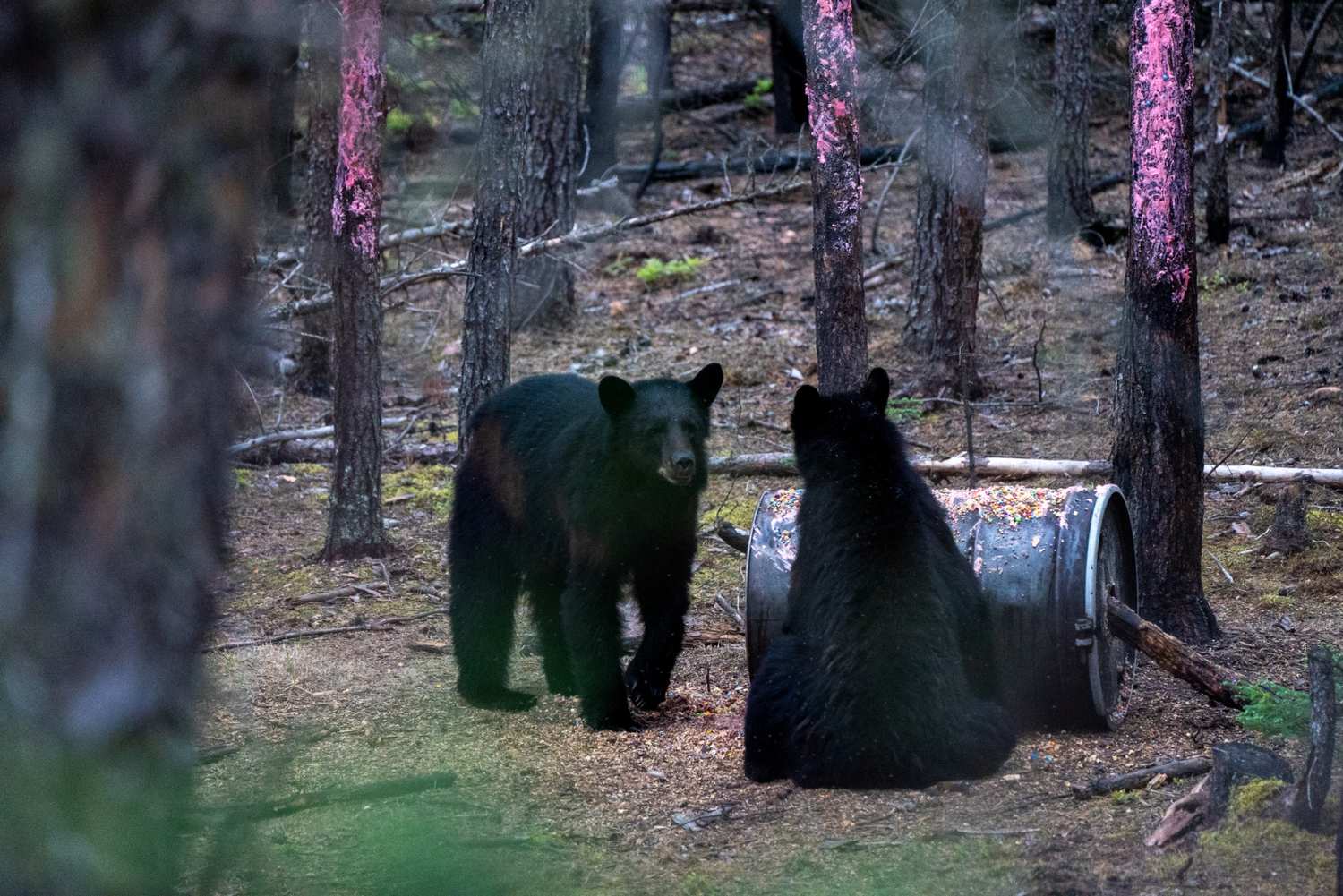
Chocolate, Cinnamon, Blonde: A Guide to Saskatchewan’s Color Phase Black Bears
“Black bear” is a species name, not a color guarantee. Depending on genetics, geography, and plain luck, a black bear can show up looking jet black, deep chocolate, rusty cinnamon, or, rarely, almost blonde. For a lot of serious trophy hunters, a color phase bear is the whole reason they picked Saskatchewan over anywhere else.
What Actually Causes a Black Bear to Be a Color Phase?
It comes down to a single gene. Black bears produce two types of pigment: eumelanin, which creates black fur, and pheomelanin, which creates the reddish-yellow tones behind chocolate, cinnamon, and blonde coats. When a recessive version of that gene is present, a bear’s coat shifts away from black and toward brown. It’s the same basic mechanism that produces redheads in humans — a normal genetic variation, not a different subspecies.
That gene shows up far more often in western and interior bear populations than in the boreal forests east of Saskatchewan, which is a big part of why color phase bears are common here and almost unheard of in places like Quebec or the Maritimes.
How Common Are Color Phase Bears in Saskatchewan?
Estimates for the province generally run 15–25% of the population, with some specific pockets of habitat running higher — outfitters occasionally advertise numbers as high as 40%, though that’s on the optimistic end and varies a lot by camp and by year. What matters more than a province-wide average is what’s actually showing up at your bait sites. At George Lake, our guides run trail cameras on every station, so we know which bears are hitting where before you ever sit a stand — including which ones are carrying color.
Black, Chocolate, Cinnamon, Blonde — What’s the Difference?
- Black — the default and still the majority phase even in high color-phase territory. Sleek, dark, classic bear.
- Chocolate / Brown — the most common color phase in Saskatchewan, ranging from a deep near-black brown to a lighter milk-chocolate shade.
- Cinnamon — a warmer, reddish-brown coat. More associated with western and mountain populations, but present here.
- Blonde — the rarest phase by a wide margin, and the one most hunters specifically target. A big blonde bear is a genuine trophy conversation piece.
Hunting for a Color Phase Bear
Patience is the real technique. If a color phase bear is your priority, the single best thing you can do is tell your outfitter before the hunt — it changes which stands you get placed in and how long your guide will encourage you to wait out a black bear in hopes something with color shows up behind it. It’s genuinely hard to pass a big black bear at 15 yards on the promise that a cinnamon one might walk in later. That’s a conversation worth having with your guide before you’re in the stand, not during.
Booking a spring or fall bear hunt and want to maximize your shot at a color phase bear? Contact us before you book and we’ll talk through stand placement and current trail cam activity.
FAQ
What’s the rarest color phase black bear?
Blonde is generally the rarest phase across Saskatchewan and most of interior Canada. Chocolate and cinnamon are more common.
How do I request a color phase bear when booking a hunt?
Tell your outfitter before the hunt. At George Lake, we run trail cameras at our bait stations and can place you accordingly if a color phase bear is your priority.
Are color phase bears a different species from black bears?
No. They’re the same species and the same population — the color comes from a genetic variation in pigment, not a different type of bear.